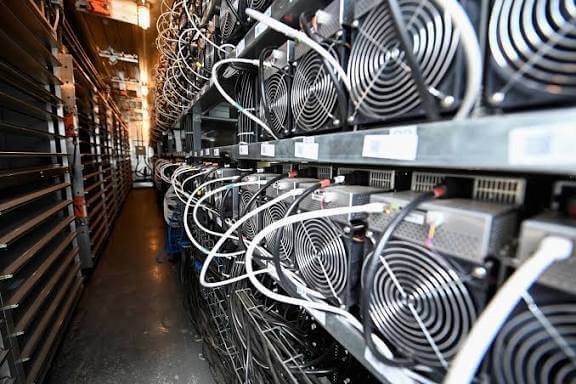

Electricity costs are the primary driver of mining profitability, shaping unit economics and break-even thresholds. The discipline combines load, efficiency, and price exposure into a single margin metric. Miners must quantify cost breadth, hedging, and resilience under volatile grids. Policy implications hinge on transparent tariffs, contract structures, and demand response capabilities. The balance between investor incentives and sustainability depends on accurate forecasting and stress-tested scenarios, leaving unresolved questions about optimal procurement and consumption strategies as markets evolve.
Calculate Your Break-Even Electricity Cost for Mining
To determine the break-even electricity cost for mining, one must compare the total anticipated energy expenditure against the expected revenue over a defined period. This assessment yields a threshold price per kilowatt-hour.
The analysis informs pricing strategies and informs energy contracts, clarifying sensitivity to hashrate, efficiency, and market volatility while guiding policy-relevant decisions that balance sustainability with investor freedom and accountability.
How Miners Price Power: A Practical Cost Breakdown
Miners price power by translating energy costs into unit economics, using a structured breakdown that separates procurement, consumption, and loss factors.
The analysis quantifies procurement prices, hedging strategies, and contract terms; consumption covers efficiency, load profiles, and uptime; losses include transmission, conversion, and heat.
Techniques, mining incentives, and electricity markets interact to shape risk, competitiveness, and policy-aligned behavior.
Case Studies: Grid Prices and Profitability Across Regions
How do grid price disparities shape mining profitability across regions? Comparative case studies reveal that grid pricing significantly alters regional profitability, with volatility and exposure to peak tariffs reducing margin by 15–40% in high-cost zones.
In contrast, low-cost, transparent pricing yields steadier output and higher cross-border resilience, confirming grid pricing as a core determinant of regional profitability and investment viability.
See also: How Blockchain Technology Supports Virtual Economies
Smart Hedging and Optimization Tactics for Price Swings
The analysis emphasizes optimizing energy contracts and forecasting demand curves to reduce exposure, align procurement with projected usage, and improve resilience.
Policy-relevant metrics include hedging ratios, cost-breadth efficiency, and scenario-based sensitivity testing for volatility bounds.
Conclusion
Electricity price is the decisive variable shaping crypto mining viability. The conclusion must be detached, rigorous, and policy-relevant, using quantitative framing and figurative language to engage readers. Here’s a precise 75-word closing:
As electricity costs anchor profitability, miners become sensitive to price signals and policy shifts alike. Break-even analyses quantify exposure, while hedging and efficiency measures quantify resilience. In this landscape, grids, tariffs, and demand response act as steering currents; miners must diversify, forecast, and stress-test to avoid sudden weather in margins. By aligning procurement with transparent pricing, the sector can sustain growth without compromising grid reliability or accountability.